Buying a Pre-1950 Colonial in West Hartford:
What to Inspect Before You Bid

Quick Answer
- Make the inspection part of your strategy, not an afterthought. West Hartford homes sold in a median of 14 days at 110.2% of list price in the three months ending July 2026 (Redfin), which pushes buyers to shorten or skip inspections. A short, focused inspection period protects you better than none.
- Older colonials need a closer look at four areas: structure and moisture; electrical, plumbing and heating systems; the roof, windows and chimney; and environmental items such as lead paint, asbestos and radon.
- Federal rules give buyers of pre-1978 homes lead paint disclosures and a 10-day window to test, and the EPA says to fix radon at 4 pCi/L or higher, so build both into your offer.
- Ask for the paperwork before you bid: Connecticut's residential condition report (or the $500 credit that replaces it), permit history for additions, and any recent inspection reports. Then price your offer on the home's all-in cost, not the list price alone.
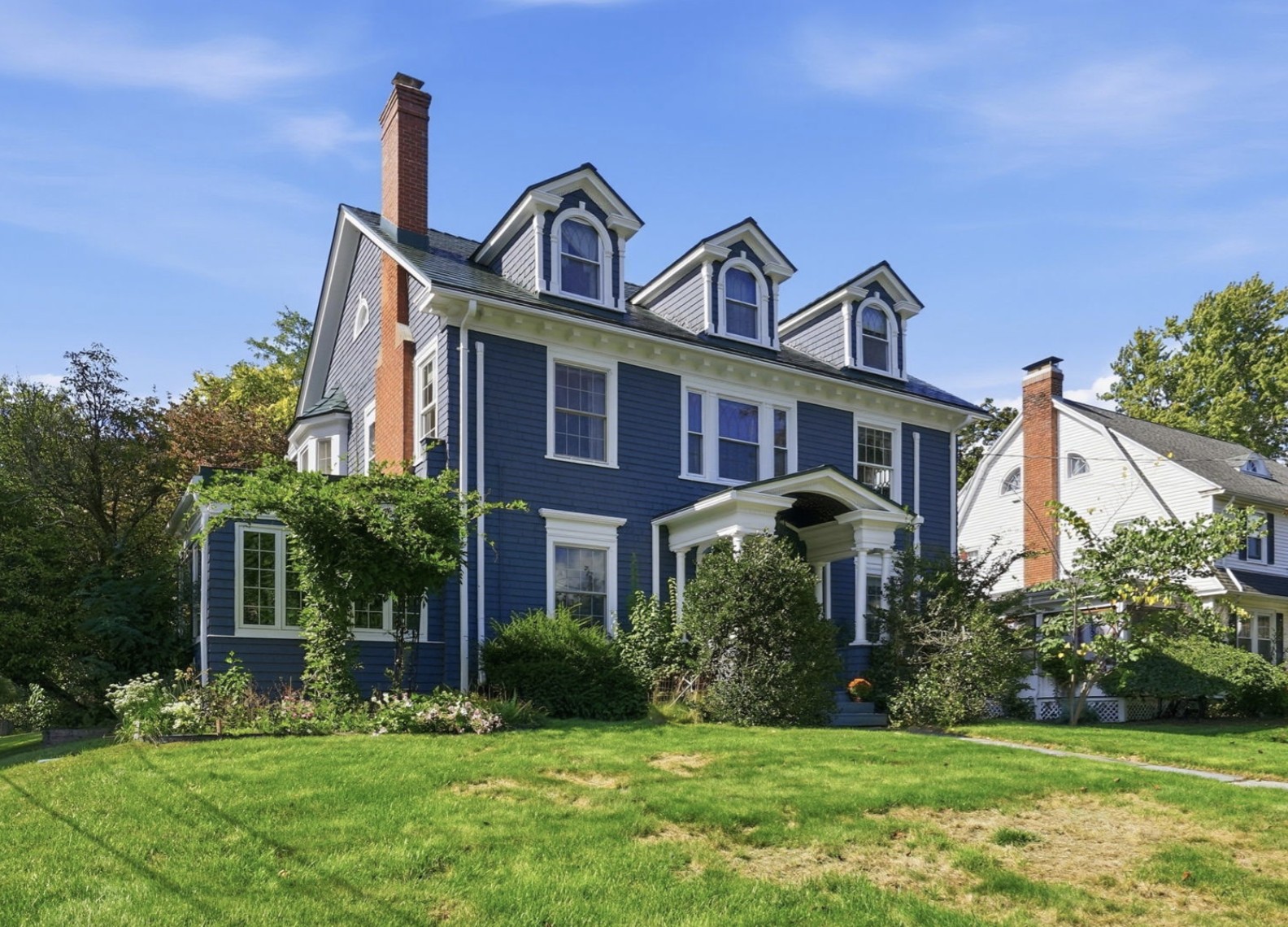
A center-hall colonial built before 1950 is the house many West Hartford buyers picture: real plaster and wood, mature trees, rooms with character, and a street that already has its shape. It is also a house that has had decades to settle, to be repaired and to be altered by several owners, and the visible condition tells you only part of the story.
In a fast market the temptation is to bid first and learn later. A buyer who waives an inspection on a home built in the 1930s is not making the same bet as a buyer who waives one on a home built in 2018. The age of the systems, the materials and the past work are all open questions until someone qualified looks at them.
This guide covers what to request before you bid, what an inspector should examine in an older colonial, the environmental items that come with age, and how to write an offer that is competitive without being blind.
The Inspection Priorities at a Glance
| Area | Why older colonials need attention | What to ask for |
|---|---|---|
| Foundation and basement | Decades of settling, water entry and past patching can hide beneath finished walls or stored items | Look for cracks, staining, efflorescence, sump pump history and grading that slopes toward the house |
| Electrical | Older wiring and panels may predate today's loads and may lack grounding | Panel capacity, ungrounded outlets, signs of amateur work, any wiring upgrades |
| Plumbing | Original supply and drain materials can corrode or restrict flow over time | Pipe material, water pressure, drain performance, and a camera inspection of the sewer line |
| Heating | Boilers, radiators and old fuel storage are common in older homes | System age, service records, and whether a buried or abandoned oil tank exists |
| Roof, windows, chimney | Exterior components wear out on their own schedules, and fireplaces may not have been used for years | Roof age and condition, window condition, a chimney and flue inspection before using any fireplace |
| Attic and insulation | Older attics can have little or outdated insulation, poor ventilation or materials that should not be disturbed | Insulation type, moisture signs, ventilation, and caution around any loose-fill vermiculite |
| Environmental | Lead paint, asbestos-containing materials and radon are age-related concerns | Disclosures, a lead inspection if you want one, and a radon test |
| Additions and permits | Older homes are often expanded, and unpermitted work can create problems later | Permit history from the town and documentation of major work |
What to Request Before You Bid
Some of the most useful information is available before you spend money on an inspector. Ask the listing agent for these early, and expect the best homes to have them ready.
- Connecticut's residential condition report. A seller who does not furnish the required report must credit the buyer $500 at closing, and that credit does not excuse failing to disclose a known significant defect (Section 20-327c). Find out whether you will receive the report or the credit.
- Permit history and major-work records. Request what the seller has, and ask your agent to check with the town about permits for additions, finished basements and system replacements.
- A pre-listing inspection report, if one exists. Some sellers inspect before they list, as our seller timeline describes. A report saves you time, though you should still decide whether to rely on it or commission your own.
- Utility bills and service records. They show how the home performs and how often systems were maintained.
Structure and Moisture
Water is the problem behind most expensive repairs, so begin with the foundation, the basement and the way the lot drains. An inspector should note cracks and whether they look old and stable or active, signs of past or current moisture, the condition of the sump pump if there is one, and whether gutters and grading direct water away from the house. Ask the seller what happens in the basement during heavy rain, and look for stored items stacked against walls, which can hide staining.
A finished basement deserves extra care. New paneling or fresh paint over a damp wall can conceal a recurring problem, so ask what was done and when, and whether permits were pulled.
Electrical, Plumbing and Heating
Older colonials often carry a mix of original and updated systems. That is normal, and the goal is to understand which is which and what each is likely to cost.
- Electrical. Ask the inspector to evaluate the panel, the wiring types they can see, the presence of grounded outlets, and any evidence of do-it-yourself work. If the inspector recommends an electrician, schedule one before your inspection period ends.
- Plumbing. Pipe materials in older homes vary, and some corrode or restrict flow with age. Check water pressure and drains, and consider a camera inspection of the sewer line from the house, since problems underground are invisible and costly.
- Heating. Note the age and service history of the boiler or furnace and the condition of radiators or ductwork. If the home has ever been heated with oil, ask whether there is a buried tank and what its status is.
Before you go under contract, ask your insurance agent whether the home's age, wiring, heating system or roof will affect coverage or cost. Insurance terms can change what a home really costs to own.
Roof, Windows and Chimney
The roof, windows and chimney are exterior components with finite lives, and replacing them is a major expense. Ask for the roof's age and any repair history. Original windows may be repairable and attractive, but they affect comfort and energy bills, so ask your inspector how they perform. If the home has a fireplace, have the chimney and flue inspected by a qualified professional before anyone lights a fire, because a fireplace that looks fine may not be safe to use.
Lead, Asbestos and Radon
Three environmental items come up in older homes. Each has official guidance, and each can be handled with a clear plan.
| Issue | What the official guidance says | Your buyer step |
|---|---|---|
| Lead-based paint | For pre-1978 homes, sellers must disclose known lead paint and hazards, provide available reports, give you the EPA pamphlet, and allow a 10-day inspection period unless you waive it. Hazards often appear at windows, doors and other friction surfaces, and the EPA's renovation rule requires certified renovators for covered renovation work in pre-1978 homes. | Review the disclosures, decide whether to use the 10-day period, and hire certified contractors for renovation |
| Asbestos | The EPA advises leaving loose-fill vermiculite insulation undisturbed and hiring a professional asbestos contractor before any work that could disturb it. | Ask the inspector to flag suspect materials, and get a professional opinion before renovating |
| Radon | The EPA recommends fixing a home at 4 pCi/L or higher and considering a fix between 2 and 4. Connecticut's Department of Public Health says a test takes 2 to 7 days, that colder months are best, and that a mitigation system can cut levels by up to 99%, at a cost it cites as about $1,200 in Connecticut. | Order a radon test during your inspection period and get a mitigation quote if the result is high |
Mitigation costs vary by home. The $1,200 figure is the Department of Public Health's approximate cost, not a quote. Sources are listed at the end of the article.
How to Bid in a 14-Day Market Without Skipping Diligence
When 79.0% of West Hartford homes sold above list in the three months ending July 2026, a buyer who asks for a long inspection period can lose to one who does not. You can stay competitive and still protect yourself.
- Inspect before you bid, if the seller allows it. Some buyers hire an inspector for a pre-offer look at a home they plan to pursue, which lets them make a clean offer with confidence.
- Shorten the window, not the scope. A tight but realistic inspection period with the specialists lined up in advance is stronger than a long contingency.
- Line up specialists early. Have a radon tester, sewer-camera operator, chimney professional and electrician ready, so recommendations from your inspector can be evaluated within the window.
- Bid on all-in cost. Add likely repairs, system replacements and your insurance quote to the price. A home that costs more to bring up to standard is worth less than a similar home that is ready.
- Choose how to handle findings. Decide in advance whether you would ask for repairs, a credit or a price reduction, and what findings would cause you to walk away.
- Check the financing. An appraiser and a lender will also look at the condition of an older home, and loans above the $832,750 conforming limit follow jumbo rules, covered in our jumbo mortgage guide.
Our bidding-war guide explains how to make a competitive offer, including how to use contingencies and timing as part of your strategy.
Taxes and the Revaluation
Condition affects what you pay now. Taxes affect what you pay every year. West Hartford's mill rate is 46.77 applied to 70% of assessed value, which works out to about $29,465 a year on a $900,000 home. A townwide revaluation sets new assessments as of October 1, 2026, with the first affected bill due July 1, 2027, so ask your agent to model your tax bill after the revaluation and not only today's figure. Our property tax guide explains the math.
The Bottom Line
A pre-1950 colonial can be a great West Hartford purchase, and the right inspection plan makes it a confident one: structure and moisture, systems, roof, windows and chimney, and the lead, asbestos and radon questions that come with age.
In a 14-day market, shorten the window but keep the scope. Get the disclosures and permit history first, line up specialists in advance, and bid on the home's all-in cost.
Considering an older West Hartford colonial? I can help you request the right documents, build an offer that stays competitive while protecting you, coordinate your inspection and specialists within the window, and compare the all-in cost of homes you are considering.
Should I waive the inspection on an older West Hartford colonial?
It is a risky choice on a home built before 1950, because age increases the chance of hidden issues with the foundation, wiring, plumbing and heating. West Hartford homes sold in a median of 14 days at 110.2% of list price in the three months ending July 2026, so many buyers shorten the inspection period or inspect before bidding instead of waiving it entirely.
What should an inspection of a pre-1950 home cover?
The foundation, basement moisture and drainage, electrical panel and wiring, plumbing and the sewer line, the heating system, the roof, windows and chimney, and the attic. Ask about lead paint, asbestos-containing materials and radon too, and have specialists examine anything the general inspector flags, such as an electrician, chimney professional or sewer-camera operator.
Do I get a lead paint disclosure on a home built before 1978?
Yes. Federal rules require sellers to disclose known lead-based paint and hazards, provide available reports, give buyers the EPA pamphlet and include a lead warning statement in the contract. Buyers get a 10-day period to conduct a lead inspection or risk assessment unless they waive it.
Should I test an older home for radon?
The EPA recommends fixing a home at 4 pCi/L or higher and suggests considering a fix between 2 and 4. Connecticut's Department of Public Health says a short-term test takes 2 to 7 days, colder months are best, and a mitigation system can reduce levels by up to 99%. Order the test during your inspection period.
How do I find a qualified home inspector in Connecticut?
Connecticut requires home inspectors to be licensed by the Department of Consumer Protection, so confirm a prospective inspector's license with the department before you hire them. Ask about their experience with homes of this age and whether they will be available within your inspection period.
Sources: Redfin (three months ending July 2026); U.S. EPA, lead-based paint disclosure; U.S. EPA, Protect Your Family From Lead in Your Home; U.S. EPA, vermiculite insulation; U.S. EPA, radon; Connecticut Department of Public Health, Radon Program; Connecticut Department of Consumer Protection, Home Inspector; Connecticut General Statutes, Chapter 392; Town of West Hartford Tax Office; Vision Government Solutions. Rules and market data change; confirm with the relevant agency. Peter Tumbas is a real estate agent, not a home inspector, engineer or attorney.